


Flingo: Chat, Meet & Flirt
4.61.32K Reviews
App Specs
- Version
- 1.3.0
- Updated On
- License
- Free
- Downloads
- 100,000+
- Developer
- Syncra Tech LLC
- Categories
- Social
- Platform
- Android
Screenshots

 Analysis by AppCompare
I approached Flingo: Chat, Meet & Flirt as a social app for adults who want more than a passive feed. Its basic promise is easy to understand: find people with similar interests, start conversations, flirt, and see whether a casual interaction develops into something more personal. After spending time with it, my main question was not whether it can create a burst of attention during the first few days, but whether it gives me a good reason to return once that first curiosity wears off.
That distinction matters with social apps. A lively first session can make almost any platform feel promising, while long-term value depends on the quality of conversations, the effort needed to keep a profile useful, and whether the app fits naturally into everyday routines. Flingo is free to install, aimed at mature users aged 17 and over, and developed by Syncra Tech LLC. It runs on Android devices using Android 6.0 or later, and the current version is 1.3.0.
My overall impression is positive but conditional. I can see Flingo working well for someone who enjoys meeting people online and is willing to participate rather than simply browse. I am less convinced it is the right choice for anyone looking for a quiet, highly structured dating service, a private messaging tool for existing friends, or a social network that can be left untouched for weeks without losing its usefulness.
What Flingo feels like during the first week
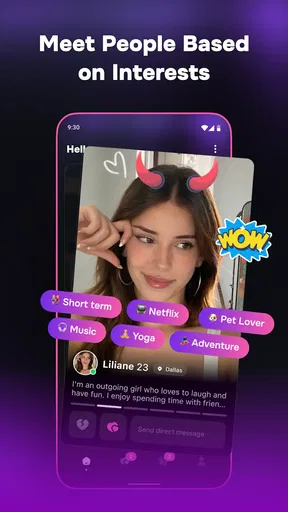
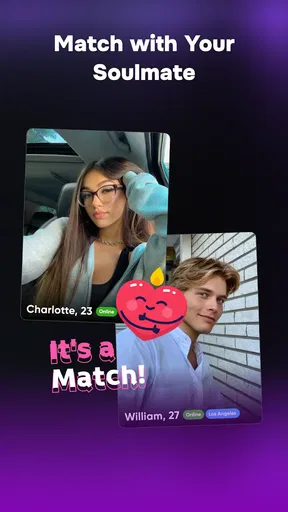
The first-week appeal comes from its direct purpose. Instead of asking me to build a public content library or maintain a polished personal brand, the app places the emphasis on social discovery. That makes the initial experience feel more active than a conventional social feed. I am not opening it mainly to watch other people post updates; I am opening it to see who is available for conversation and whether there is a mutual spark.
That focus can be refreshing. Many familiar social platforms reward constant posting, reactions, and scrolling, which can turn socializing into a performance. Flingo is more immediate. The useful question is whether I want to talk to someone, not whether I can make a post attractive enough to collect attention. For an adult user who prefers one-to-one interaction, this narrower purpose is a real strength.
At the same time, the app’s mature positioning changes how I would recommend using it. This is not something I would hand to a teenager or suggest treating like a general-purpose community app. A user should enter with clear boundaries, avoid sharing sensitive personal information too quickly, and remember that an appealing conversation is not the same as verified trust. The age rating sets the tone, but personal caution still matters more than any label.
During an initial session, I would spend time making the profile communicate intent without oversharing. A vague profile may attract attention but produce weak conversations, while an overly revealing one can create uncomfortable expectations. My practical approach would be to say what kind of interaction I enjoy, keep identifying details private, and use early messages to check whether the other person respects a simple boundary. That small amount of preparation makes the app more useful than treating it as a rapid-fire matching machine.
Worth Reading Before You Choose

EA SPORTS FC Mobile 26 Is a Bigger Football Game, but It Takes Time

Flipboard Shows What News Apps Must Do Beyond the Feed

Switching to Android Auto Means Rethinking Your Driving Routine

Google Calendar Makes a Crowded Week Easier to Manage

Ludo King Makes the Most of the Minutes Between Plans

Baby Panda World Brings Quick Play to Modern Phones, but Its Game Library Feels Busy
The first-week experience is also shaped by the difference between curiosity and compatibility. It is easy to mistake frequent messages for meaningful progress. I found it more helpful to judge conversations by their consistency and tone: does the other person respond thoughtfully, accept a change of subject, and avoid rushing the interaction? Those signals are more valuable than a crowded inbox. Flingo gives me a place to start, but I still have to decide which connections deserve attention.
A realistic everyday scenario would be using it after work for a short, deliberate check-in. I might spend ten minutes looking through new conversations, answer one or two people properly, and leave rather than drifting into an endless session. That routine is better than opening the app whenever I feel bored, because boredom encourages impulsive replies and makes the experience feel like another feed. Flingo works best when I treat it as a tool for intentional contact.
Its free entry point helps lower the barrier to trying that routine. I can explore the basic experience without committing money immediately, which is useful for a category where personal fit is difficult to predict from a description alone. However, free access should not be confused with unlimited value. The app includes in-app purchases ranging from $1.99 to $99.99 per item, so I would decide what I actually need before paying for anything.
That price range is especially important for a social app because paid extras can influence how often I return and how much I feel I need to spend to stay visible or active. I would not buy anything during the first session. I would first check whether I am having conversations with people I genuinely want to know, whether the free experience already supports my routine, and whether a purchase solves a clear problem rather than simply feeding the excitement of a new account.
Where the early experience is strongest
The strongest early quality is focus. Flingo does not need to compete with every kind of social activity because its appeal is built around meeting and chatting. That makes it easier to decide what success looks like: a good exchange, a promising new contact, or simply a pleasant interaction. For someone tired of broad networks where meaningful conversations disappear under endless content, this narrower social purpose can feel more personal.
Another useful quality is flexibility of intent. Not everyone joining a social app wants the same outcome, and the combination of chat, meeting, and flirting suggests room for different levels of connection. I would still communicate my expectations early, because flexible intent can become confusing when two people assume different things. The app can open the door, but a clear conversation is what prevents the experience from becoming frustrating.
Flingo has attracted a substantial audience, with more than one hundred thousand installs, and its average rating is 4.6 from around fourteen thousand ratings. Those figures suggest that the app has enough activity to feel like a real social environment rather than an empty experiment. They do not guarantee that every conversation will be worthwhile, though. In a people-driven app, the useful part of the audience is the portion that matches my interests, communication style, and availability.
Whether the value survives from month to month
The first month is where I would separate Flingo from a novelty app. Early curiosity can carry me through profile setup and initial chats, but recurring value depends on whether the app helps me maintain connections without making socializing feel like a chore. I would return if each visit offered a reasonable chance of finding an interesting conversation, continuing an existing one, or meeting someone whose expectations were compatible with mine.
For me, the best long-term workflow would be selective rather than constant. I would keep conversations that feel reciprocal, stop replying when the exchange becomes repetitive or disrespectful, and avoid collecting contacts simply to make the account look busy. This is one of the less obvious trade-offs of a social discovery app: more connections can create the appearance of success while reducing the attention I can give to each person.
A monthly habit also requires profile maintenance. I would revisit the wording occasionally so it still reflects what I want from the app, remove details that no longer feel comfortable, and make sure new conversations are not being judged through an outdated description. That is not glamorous work, but it has a direct effect on the quality of replies. A profile that accurately sets expectations saves time for both sides.
I would also establish a personal spending rule. Since the app is free but offers paid items, I would use the free version long enough to understand my normal behavior before considering an upgrade or purchase. If I find myself paying mainly because I am impatient, lonely, or trying to recover from a disappointing interaction, I would stop. A purchase should improve a stable routine, not become a substitute for one.
The app’s 4.6 average rating and roughly 1.3 thousand written reviews are encouraging signs of user satisfaction, but they cannot answer the question of lasting value for me. Ratings are useful for spotting broad approval; they are less useful for predicting whether my preferred conversations will continue after the first month. I would judge that through repeated visits: do I leave feeling that I connected with someone, or merely that I spent time checking for attention?
Compared with mainstream social networks, Flingo offers a more concentrated path toward personal interaction. I do not need to compete with family updates, entertainment clips, or public commentary. Compared with traditional dating apps, its social and flirtatious framing may feel less formal and less focused on presenting a single relationship goal. That flexibility is appealing, but it can also mean I have to do more work to define what I am looking for.
Compared with private messaging apps, Flingo has the advantage of helping me meet new people rather than only communicating with an existing circle. The trade-off is that unfamiliar contacts require more caution and more filtering. Compared with a broad community forum, it may offer a quicker route to direct conversation, but it may not provide the same depth of topic-based discussion. The better alternative depends on whether my priority is discovery, structured dating, community participation, or secure communication with people I already know.
One practical test I would use after a month is to pause for several days and return with a specific purpose. If I can quickly resume a worthwhile conversation or find a new interaction that fits my preferences, the app has recurring value. If returning feels like opening an empty queue and hoping for stimulation, the first-week appeal was probably doing most of the work. That test is more honest than judging the app by how exciting it felt on day one.
The effort involved in keeping it useful
Flingo is not a set-and-forget service. Its value depends on participation, and participation has a maintenance cost. I need to check messages, decide which conversations deserve replies, update my presentation when my goals change, and manage my boundaries. Users who enjoy that kind of active social routine may find the effort worthwhile. Users who want an app to deliver polished matches with minimal involvement may become tired quickly.
The maintenance burden is not only about time. Emotional energy matters too. Conversations can be uneven, and a user may need to decline invitations, end exchanges that feel uncomfortable, or accept that some promising chats will fade. I would rather see that as part of responsible use than blame the app for every disappointing interaction, but it still affects whether Flingo earns a permanent place on my phone.
Notifications, when present, should be treated as prompts rather than obligations. I would avoid answering immediately just because a message arrives. Taking a moment to decide whether I actually want to continue a conversation makes the experience calmer and reduces the chance of encouraging someone when I am not interested. This is a small habit, but it prevents the app from controlling my attention.
Privacy awareness is another ongoing task. I would keep early conversations inside the app until I had enough confidence to move elsewhere, avoid sending financial information or intimate material, and be cautious with requests that create pressure. The mature audience and flirtatious purpose make those boundaries particularly important. An app can make meeting people easier, but it cannot remove the need for judgment.
I would also be careful with purchases over time. The lower end of the in-app purchase range may feel easy to justify, while the higher end deserves a much stricter pause. I would track whether spending produces a lasting improvement in my experience or only a short burst of activity. If I cannot explain the benefit in one sentence, I would keep using the free option or leave the purchase alone.
What may cause fatigue after the novelty fades
The biggest source of fatigue is repetition. Social discovery can begin with a sense of possibility, then settle into similar introductions, unfinished chats, and people whose intentions are not clear. Flingo’s central idea remains appealing, but the user experience will naturally depend on how much variety and compatibility I encounter. If the same conversational patterns keep appearing, the app can start to feel like work.
Another friction point is the need to filter actively. A broad audience is useful because it creates more chances to find a match in personality or interests, but it also means I may spend time sorting through interactions that are not suitable. Flingo is not the right choice for someone who dislikes saying no, clearing old conversations, or explaining boundaries. A more structured service may be easier for that person, even if it feels less spontaneous.
The app may also become tiring if I approach it with an undefined goal. Chatting, flirting, and meeting are related but not identical activities. If I want casual conversation one day and a serious connection the next, I should say so instead of expecting other users to guess. Clear communication will not eliminate every mismatch, but it reduces the emotional cost of repeated misunderstandings.
There is also a risk of measuring the experience through attention alone. A busy inbox can feel rewarding, yet constant messages do not necessarily create genuine connection. I would rather have one respectful, consistent conversation than many shallow exchanges. This is a useful defense against fatigue because it changes the goal from collecting responses to finding interactions that are actually worth maintaining.
Users who are sensitive to subscription pressure or optional spending should approach the app carefully. The free starting point is convenient, but the presence of purchases means I would review each payment decision rather than assume that every useful function must be unlocked. If the app begins to make me feel that I cannot participate without spending, I would reconsider whether it fits my habits.
Flingo is also not my first recommendation for people seeking a fully organized dating process. Someone who wants detailed relationship filters, formal compatibility tools, or a clearly defined path from match to date may prefer a dedicated dating platform. Someone who wants community discussion around a shared hobby may be happier in a forum or group-based network. Flingo’s strength is the immediacy of personal social discovery, and its weakness is that this flexibility leaves more responsibility with the user.
Small habits that improve the experience
I found three habits especially useful in thinking about long-term use. First, I would set a short session limit and leave after replying thoughtfully to a manageable number of conversations. Second, I would review my profile before starting a new round of chats, making sure it still communicates the kind of interaction I want. Third, I would periodically remove conversations that have clearly ended instead of allowing an inactive inbox to create pressure.
A fourth habit is to move slowly when a conversation becomes intimate. Flirting can create a false sense of closeness, especially when messages arrive frequently. I would look for consistency over time, respect for boundaries, and willingness to communicate without pressure. That approach may reduce the number of fast-moving interactions, but it improves the odds that the connections I keep are healthier and more sustainable.
Finally, I would use the app as one part of my social life rather than its entire replacement. Flingo can help me meet people, but it should not become the only place where I seek companionship or validation. Returning because I have a genuine interest in someone is healthier than returning solely to check whether anyone noticed me.
My long-term verdict on Flingo
Flingo earns a place on my phone if I want an adult-oriented space built around meeting people, messaging, and flirting, and if I am comfortable doing the filtering myself. Its free access makes experimentation easy, its focused purpose is more direct than a general social network, and its established audience gives the experience a reasonable chance of producing active conversations. Syncra Tech LLC has created something that can feel personal quickly, which is the main reason I would recommend trying it.
My recommendation comes with clear conditions. I would not install it expecting effortless compatibility, instant trust, or a social life that maintains itself. The app asks for regular attention, honest communication, and sensible privacy habits. It can become part of a monthly routine when I use it selectively, but it is likely to become tiring if I chase every message or treat optional purchases as a requirement for participation.
The current version, 1.3.0, is suitable for Android users on version 6.0 or newer, and the mature age rating should be taken seriously when deciding who should use it. I would recommend it to adults who enjoy spontaneous conversation and are willing to define their own boundaries. I would steer younger users, privacy-sensitive users who dislike meeting strangers online, and people wanting a formal relationship-matching system toward a different kind of service.
After the novelty fades, the deciding factor is not how many people I can browse but how many conversations feel worth returning to. That is where Flingo can succeed, provided I use it with intention. Its lasting value comes from the quality of the connections I maintain, not from endless activity. For the right user, that makes it a worthwhile social app; for everyone else, the maintenance and uncertainty may outweigh the initial excitement.
Pros
- Quick profile setup makes it easy to start meeting people.
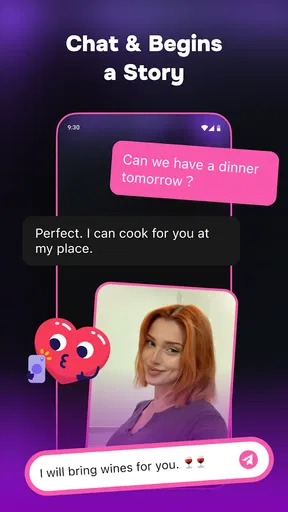
- Chat tools support casual conversations and getting to know matches.
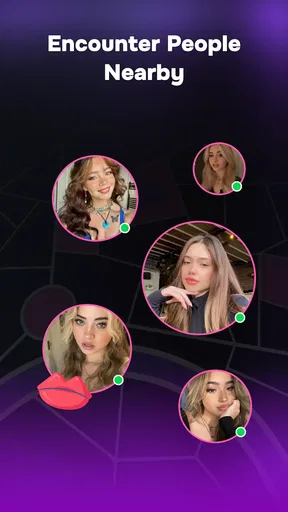
- Location-based discovery can help find nearby users.
- The interface is simple enough for first-time dating app users.
- Useful for people seeking informal chats and new social connections.
Cons
- The quality and number of matches may vary greatly by location.
- Some features may require in-app purchases or a premium subscription.
- Users should be cautious with profiles that provide limited information.
- Notifications and chat activity can become distracting over time.
- Privacy settings should be reviewed carefully before sharing personal details.
FAQs for Flingo: Chat, Meet & Flirt
What is Flingo: Chat, Meet & Flirt, and how does it work?
Flingo: Chat, Meet & Flirt is a social and dating app designed for discovering people, starting conversations, and building connections through chat and flirt-focused interactions. After creating a profile, you can browse or receive suggested users, show interest, and communicate with potential matches. The available features may vary by location, age, account type, and app version.
Is Flingo: Chat, Meet & Flirt free to download and use?
The app can generally be downloaded without an upfront charge, but some functions may require in-app purchases, credits, or a premium subscription. Basic profile browsing or messaging access may be limited, while enhanced visibility, additional interactions, or other communication tools could be paid features. Before subscribing, check the current pricing, renewal terms, and cancellation options shown in the app store.
Is Flingo safe for meeting and chatting with other people?
Flingo may include standard tools such as profiles, reporting, blocking, or moderation, but no dating platform can guarantee that every user is genuine or trustworthy. Avoid sharing your home address, financial information, passwords, or private documents. Keep early conversations inside the app, be cautious of requests for money, and arrange any first meeting in a busy public place while informing someone you trust.
What information is needed to create a Flingo account?
Registration requirements can depend on the current version of the app and the sign-in method you choose. You may be asked for details such as an email address, phone number, date of birth, display name, photos, location, and personal preferences. Use accurate information where appropriate, but review the privacy policy carefully to understand how profile data, messages, images, and location information are handled.
Can I delete my Flingo account or stop a premium subscription?
You should be able to manage your account from the app settings or through the relevant app-store account, although deleting the app alone usually does not cancel a subscription. If you have paid for premium access, cancel recurring billing through Google Play or the Apple App Store before the next renewal date. Also look for a separate account-deletion option, since subscription cancellation and profile removal are normally different actions.


